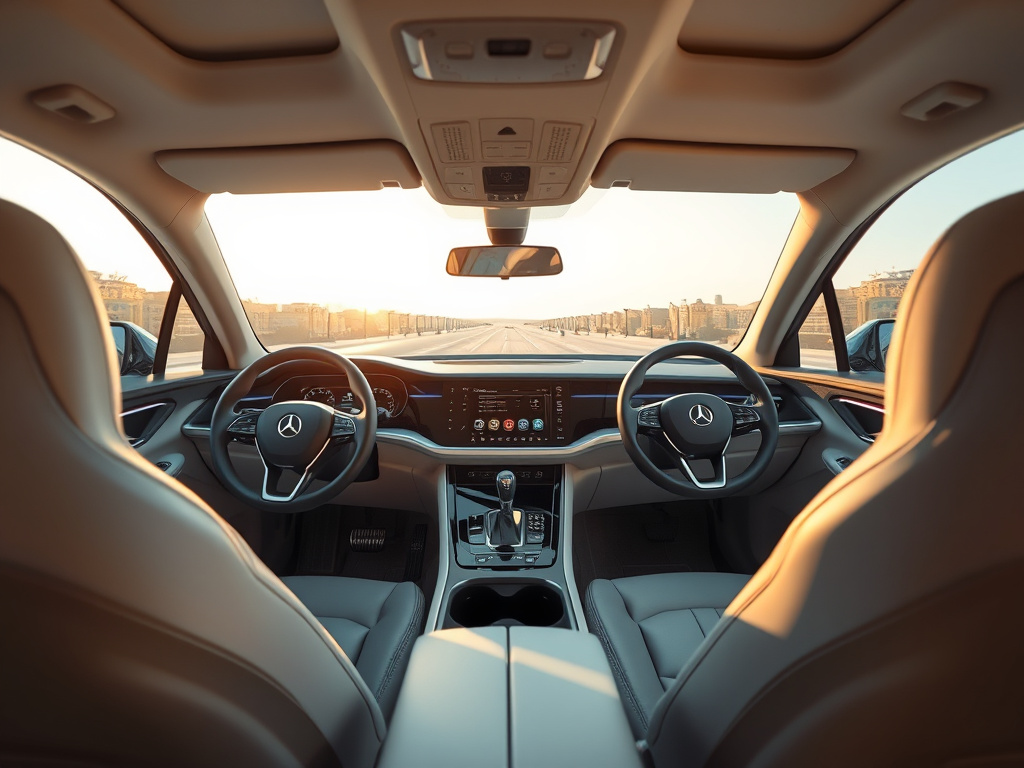
The rise of self-driving vehicles is poised to revolutionize the way we approach transportation, and with it, the insurance industry will experience significant transformations. As an independent insurance agent, I believe this emerging technology will bring both opportunities and challenges for insurers, policyholders, and industry professionals. Let’s examine how self-driving vehicles might impact insurance premiums and reshape the broader insurance landscape.
Reduced Risk and Lower Premiums
One of the key promises of self-driving technology is its potential to drastically reduce accidents. According to the National Highway Traffic Safety Administration (NHTSA), over 90% of car crashes are caused by human error. Autonomous vehicles, equipped with advanced sensors, machine learning algorithms, and real-time data analysis, are designed to minimize these errors.
With fewer accidents, insurance claims related to collisions, bodily injury, and property damage are expected to decline significantly. This reduction in risk will likely lead to lower premiums for personal auto insurance policies. Drivers of self-driving vehicles might eventually see their premiums fall, as the vehicle’s advanced safety features would mitigate traditional driving risks.
However, the shift won’t happen overnight. While fully autonomous vehicles (Level 5) are still in development, partially autonomous cars (Levels 2-4) will dominate the market for years. During this transitional period, human drivers will continue to share the road with autonomous systems, creating hybrid risks that insurers must carefully assess.
Liability Shifts
Self-driving vehicles will also shift the nature of liability. In today’s system, auto insurance primarily covers driver error. With autonomous cars, liability will move away from drivers and toward manufacturers, software developers, and technology providers.
For example, if a self-driving car is involved in an accident due to a software glitch or hardware failure, the vehicle owner may not be at fault. Instead, the manufacturer or supplier of the faulty component could be held liable. This shift will increase the need for product liability insurance and cyber liability insurance for companies involved in autonomous vehicle development.
For insurers, this means adapting to a landscape where traditional personal auto policies may shrink in relevance while commercial and product-related policies grow.
Cybersecurity Concerns
Self-driving vehicles rely heavily on sophisticated software, connectivity, and data sharing. While this enhances safety and efficiency, it also opens up new risks, particularly cyberattacks. Hackers could potentially breach a vehicle’s system, causing accidents or even holding the vehicle hostage.
To address these threats, insurers will need to develop specialized cyber insurance policies tailored to autonomous vehicles. Policyholders may also need coverage for data breaches, software updates, and system malfunctions.
Insurance for Shared Mobility Services
As self-driving technology advances, the traditional car ownership model could give way to shared mobility services, such as autonomous ride-hailing and car-sharing fleets. Companies like Waymo and Tesla are already exploring these models.
In this scenario, insurance policies may shift away from individual drivers to fleet operators. Insurers will need to design innovative policies to cover commercial autonomous fleets, including liability, property damage, and cybersecurity risks.
Additionally, personal coverage may still play a role, particularly for passengers who want to protect themselves against unexpected events while using autonomous rideshare services.
Data-Driven Underwriting
Self-driving vehicles generate vast amounts of data through onboard sensors and telematics systems. This data provides insights into driving patterns, vehicle performance, and accident risks. Insurers could use this information to refine their underwriting processes, pricing models, and claims handling.
However, the collection and use of this data raise privacy concerns. Insurers will need to navigate the balance between leveraging data for risk assessment and protecting policyholders’ privacy.
Challenges for the Insurance Industry
The transition to self-driving vehicles presents several challenges for the insurance industry:
1. Decreasing Premium Revenue: With reduced accident frequency and lower personal liability, insurers may face shrinking premium revenues. This will require diversification into other lines of business or specialized coverage areas.
2. Adapting Regulations: State and federal regulations around autonomous vehicles are still evolving. Insurers must stay ahead of legal developments to ensure compliance and avoid potential liabilities.
3. Job Transformation: For independent agents like myself, the rise of autonomous vehicles may reduce the demand for traditional personal auto insurance. However, it also creates opportunities to advise clients on emerging risks, such as cybersecurity or shared mobility.
Opportunities for Growth
While self-driving vehicles will disrupt the traditional insurance model, they also offer new growth opportunities:
• Commercial Policies: Insurers can focus on providing coverage for manufacturers, fleet operators, and software developers.
• Cyber Insurance: The increasing connectivity of vehicles creates demand for robust cyber protection.
• Hybrid Policies: During the transition period, insurers can develop hybrid policies that cover both human and autonomous driving risks.
Conclusion
Self-driving vehicles will undoubtedly reshape the insurance industry, but change brings innovation. As an independent insurance agent, I see this as an opportunity to evolve alongside the technology, offering clients the expertise and protection they need in a rapidly changing world. By staying informed and proactive, we can ensure that our clients remain covered, whether they’re behind the wheel or letting their car do the driving for them.
 Agent Louis
Leave a comment